
Yes, you may be able to sue after a hit-and-run accident in Chattanooga if the driver is identified. When the driver remains unknown, uninsured motorist coverage and Tennessee’s John Doe procedure may provide another path to compensation.
Best and Brock can review the available insurance policies, preserve evidence, communicate with insurers, and explain whether a lawsuit is appropriate. Acting quickly matters because Tennessee generally gives injured people one year to file a personal injury lawsuit. A limited two-year exception may apply when qualifying criminal charges and prosecution requirements are met. Claims for vehicle or other property damage generally have a three-year deadline, but insurance notice requirements may require action much sooner.
A hit-and-run can leave you facing medical bills, missed work, vehicle repairs, and uncertainty about who will pay. The fleeing driver’s disappearance does not automatically end your claim. Evidence, reporting steps, policy language, and filing deadlines can affect your options.
A driver who leaves the scene does not automatically eliminate your right to seek compensation.





Can You Sue the Hit-and-Run Driver? 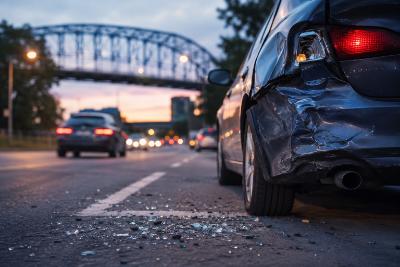
You can bring a civil claim against the driver if law enforcement, witnesses, video footage, vehicle debris, or other evidence identifies that person. A civil claim is separate from any criminal prosecution for leaving the scene. The criminal case addresses the alleged offense against the state, while your injury claim seeks compensation for the losses caused by the collision.
Depending on your injuries and the facts, recoverable damages may include:
- Emergency treatment, hospital care, rehabilitation, and future medical needs
• Lost wages and reduced earning capacity
• Pain, physical limitations, and emotional distress
• Repair costs or the value of a totaled vehicle
• Other reasonable expenses connected to the crash
The driver may not be the only potentially responsible party. A vehicle owner, employer, rideshare company, or another person or business may share responsibility in some cases. An investigation can help determine whether the driver was working, operating a borrowed vehicle, or acting within a relationship that creates another possible source of recovery.
For practical guidance during the first hours and days after a collision, review Best and Brock’s page about what to do after a car accident:
https://www.bestlawhb.com/what-do-i-do-if-ive-been-in-a-car-accident/
What Happens When the Driver Is Never Found?
An unknown driver does not always prevent financial recovery. Tennessee’s uninsured motorist law can apply when an unidentified vehicle causes bodily injury or property damage. The claim may be made through an applicable uninsured motorist policy, subject to its limits, exclusions, deductibles, and legal requirements.
Tennessee law generally requires insurers to include uninsured motorist coverage with automobile liability policies unless the named insured rejects the coverage or chooses lower limits in writing. Property damage coverage can involve different terms, so the declarations page, endorsements, deductibles, and signed coverage selections should be reviewed carefully.
Coverage may be available through the vehicle you occupied, your personal automobile policy, or another household policy, depending on the circumstances. The analysis can become more involved when you were a passenger, pedestrian, cyclist, or occupant of a vehicle owned by someone else.


Can You File a John Doe Lawsuit in Tennessee?
Tennessee law provides a procedure for pursuing a claim involving an unknown motorist. When the legal requirements are met and a lawsuit is filed, the injured person generally issues a warrant against a “John Doe” driver to bring the claim within uninsured motorist coverage. The uninsured motorist carrier can then defend the case and dispute liability, damages, or coverage.
Tennessee Code section 56-7-1201(e) generally requires one of two forms of proof when the driver is unknown:
- Actual physical contact between the unknown vehicle and the insured person or property
• Clear and convincing evidence of the unknown vehicle from a source other than occupants of the insured vehicle
The accident must also be reported to the appropriate law enforcement agency within a reasonable time. The insured person must not have been negligent in failing to identify the other vehicle, owner, or driver.
These rules are especially significant in a miss-and-run crash, where another vehicle forces you off the road without making contact. Independent witnesses, nearby camera footage, dash camera video, roadway evidence, or other reliable proof may become central to the claim.

- Jeremy Forgey
- Chris Griffin
What Evidence Can Support a Chattanooga Hit-and-Run Claim?
Evidence can disappear quickly. Business surveillance recordings may be overwritten, witnesses may become harder to locate, and vehicle debris may be removed. Once you are safe, take reasonable steps to protect the record.
- Call 911 and ask for a police response.
• Describe the other vehicle, its direction of travel, visible damage, and any portion of the license plate that you remember.
• Photograph the vehicles, roadway, debris, skid marks, traffic signals, injuries, and nearby businesses.
• Ask witnesses for their names and contact information.
• Seek medical evaluation when you experience pain, dizziness, numbness, confusion, or another symptom.
• Keep damaged personal property, towing records, repair estimates, medical documents, wage records, and communications with insurers.
• Avoid repairing or disposing of the vehicle before the insurance company has a reasonable opportunity to inspect it.
• Write down what you remember while the details are fresh.
A crash on I-24, I-75, a downtown Chattanooga street, or a commercial parking lot may involve different responding agencies and sources of video. A lawyer can identify possible recordings and send preservation requests before those materials are erased.
Common Mistakes in a Personal Injury Claim Choosing a Personal LawyerRelated Videos
Will Your Own Insurance Company Automatically Pay?
No. Your insurer may owe contractual duties, but it can still investigate and challenge the claim. The adjuster may question whether an unknown vehicle existed, whether physical contact occurred, whether the crash was reported promptly, whether the injuries resulted from the collision, or whether the requested compensation is supported.
You should cooperate with legitimate policy requirements, but you should be cautious with broad medical authorizations, recorded statements, or documents that you do not understand. Before signing a release or accepting a settlement, confirm which claims, coverages, and future losses the agreement would resolve.
Best and Brock’s Chattanooga car accident attorneys can review the police report, policy language, medical records, and available evidence:
https://www.bestlawhb.com/chattanooga-car-accident-attorneys/
Legal review may be especially valuable when injuries are serious, fault is disputed, or the insurer questions coverage.
How Long Do You Have to Sue After a Hit-and-Run?
Tennessee Code section 28-3-104 generally requires personal injury lawsuits to be filed within one year after the claim accrues. You should not assume that an exception will extend your deadline.
A two-year deadline may apply when criminal charges are brought against a person alleged to have caused or contributed to the injury, the same conduct is the subject of a qualifying criminal prosecution commenced within one year, and the injured person sues the person prosecuted. Because each requirement matters, you should not rely on the two-year period without legal review.
Tennessee Code section 28-3-105 generally provides three years for claims involving injury to personal property, including vehicle damage. Different deadlines can apply to different parts of the same collision claim.
A police report, insurance claim, investigation, or settlement discussion does not necessarily stop the statute of limitations. Insurance notice requirements and policy conditions may require action much sooner. When the driver is unknown, the John Doe procedure and service requirements must also be handled properly.
Best and Brock explains related timing concerns in its article about how long you have to sue after a car accident:
https://www.bestlawhb.com/how-long-do-i-have-to-sue-someone-after-a-car-accident/
Waiting for the police investigation or insurance negotiations to finish can put your rights at risk.
What Compensation May Be Available?
The value of a hit-and-run claim depends on the injuries, available proof, insurance coverage, fault, medical prognosis, income loss, and policy limits. A claim may include:
- Past and future medical expenses
• Lost income and reduced earning ability
• Pain and suffering
• Disability or disfigurement
• Property damage
• Other related costs
Health insurance, medical payment coverage, disability benefits, or another source may pay certain expenses while the claim is pending. Those payments can create reimbursement or subrogation issues.
Best and Brock provides a plain-language explanation of subrogation in an injury case:
https://www.bestlawhb.com/what-is-subrogation/
No attorney can promise a particular settlement or result. A reliable evaluation begins with the evidence and insurance contracts, then considers the collision’s effect on your health, work, finances, and daily life.
Talk With a Chattanooga Hit-and-Run Accident Lawyer
You do not have to identify every insurance issue or investigate the driver alone. Best and Brock’s Chattanooga personal injury attorneys can investigate the crash, examine uninsured motorist coverage, communicate with insurers, and explain your legal options:
https://www.bestlawhb.com/chattanooga-personal-injury-attorneys/
Best and Brock serves injured people in Chattanooga, Southeast Tennessee, Hamilton County, North Georgia, and nearby areas. The firm offers experienced trial representation, attentive client service, and free consultations.
Call 423-829-1043 or request a consultation through the firm’s contact page:
https://www.bestlawhb.com/contact-us/
This article is for informational purposes only and is not legal advice. Consult an attorney about your specific situation.

|
|
|