





What Are DUI Checkpoints and Why Are They Set Up? 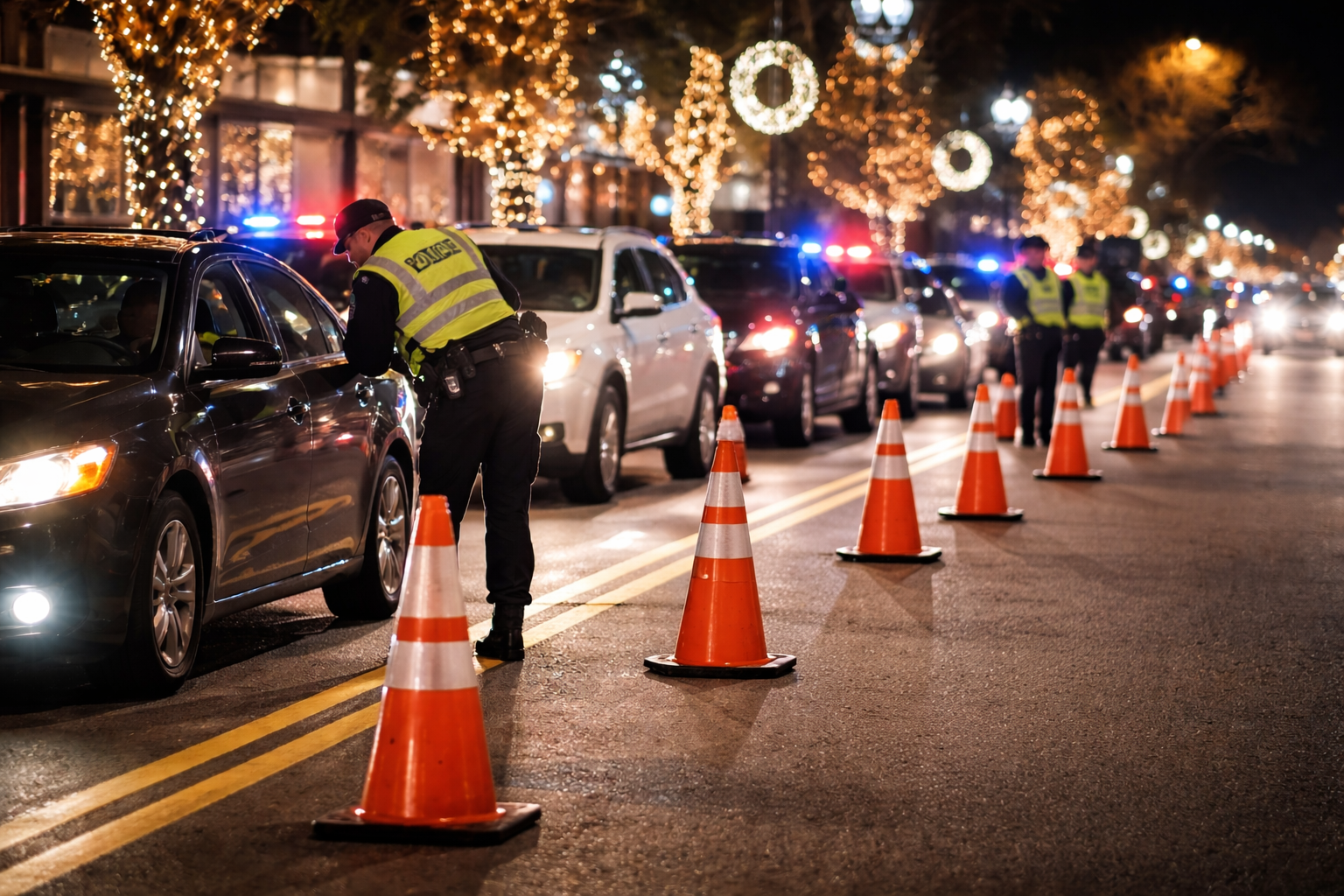
DUI checkpoints, often referred to as sobriety checkpoints, are roadblocks where law enforcement officers stop drivers to check for signs of impaired driving. These checkpoints are commonly set up in high-traffic areas, especially during times of year when the risk of drunk driving is heightened, such as during the holiday season. The goal of these checkpoints is not only to deter impaired driving but also to catch drivers who may be operating a vehicle under the influence of alcohol or drugs.
Are DUI Checkpoints Legal?
Yes, DUI checkpoints are legal in many states, including Tennessee. However, there are certain rules and procedures that law enforcement must follow to ensure that these checkpoints are constitutional and do not violate any rights. The U.S. Supreme Court has ruled that DUI checkpoints are permissible under the Fourth Amendment, as long as they are conducted in a way that limits the intrusion on a driver’s rights.


- Non-discriminatory: Police cannot target specific individuals based on race, age, or appearance. The stops should be random or systematic, such as stopping every fifth vehicle, to avoid discrimination.
- Publicly announced: Law enforcement must inform the public in advance about the checkpoint location and times. This helps ensure that the public is aware of the increased enforcement.
- Temporary: DUI checkpoints are temporary events, set up for a specific time or location, and they are typically held during peak holiday times when impaired driving is most prevalent.
How Do DUI Checkpoints Work?
DUI checkpoints typically operate in a structured manner. When you approach a checkpoint, you will be directed to stop your vehicle. At this point, law enforcement officers will likely ask you a few basic questions, such as where you’re coming from and where you’re headed. They might also ask for your driver’s license, registration, and proof of insurance.
Garth Best was extremely helpful in my case. He explored and explained everything to me clearly and never stopped checking out every option. I am absolutely grateful I chose him as my attorney. Best and Brock are a great choice for representation. Thanks again.
- Jeremy Forgey
Matt Brock did an outstanding job with my case. Very thorough and knowledgeable attorney, highly recommended. Its very obvious through my interactions with him that he has the experience and knowledge to win in court. I will not go anywhere else. Great job, much appreciated.
- Chris Griffin
Your Rights at DUI Checkpoints
While DUI checkpoints are legal, it’s important for drivers to understand their rights when stopped by law enforcement. Knowing your rights can help protect you from unnecessary harassment or illegal searches.- Right to Remain Silent: You have the right to remain silent when questioned by law enforcement. You are not obligated to answer questions beyond providing identification, registration, and insurance details. If asked whether you’ve been drinking, you do not have to answer the question. However, remaining silent may not prevent the officer from continuing their investigation, especially if they observe signs of impairment.
- Right to Refuse Field Sobriety Tests: In Tennessee, you have the right to refuse field sobriety tests, such as walking in a straight line or standing on one leg. While refusing these tests won’t result in immediate legal consequences, it could be used against you later in court.
- Right to Refuse Breathalyzer: Under Tennessee’s implied consent law, you have the right to refuse a breathalyzer test. However, refusing the test can result in automatic penalties, such as a one-year driver’s license suspension, regardless of whether you were under the influence. In some cases, refusing a breathalyzer could make your situation worse in the eyes of the law.
- Right to an Attorney: If you are arrested for DUI, you have the right to consult with an attorney. At Best and Brock, we strongly recommend contacting a DUI lawyer if you find yourself in this situation. Having experienced legal counsel can make a significant difference in the outcome of your case.
Related Videos
Penalties for a DUI Conviction
Cost of a DUI Lawyer
Tips for Avoiding DUI Checkpoints and Staying Safe
While you can’t always avoid DUI checkpoints, there are steps you can take to reduce your chances of encountering one and ensure a safe trip:- Plan Ahead: If you plan to drink, always designate a sober driver or use a ride-sharing service. This is the safest option and ensures that you won’t have to worry about DUI checkpoints.
- Know Your Route: If you’re concerned about encountering a checkpoint, consider using GPS navigation apps that may show you alternative routes to avoid high-risk areas.
- Limit Alcohol Consumption: If you plan on driving, limit your alcohol intake. Even small amounts of alcohol can impair your judgment and reaction time, increasing your risk of an accident.
- Stay Alert: Pay attention to your surroundings and watch for signs of DUI checkpoints, such as police vehicles or flashing lights. It’s a good idea to familiarize yourself with common checkpoint locations before heading out.
What to Do if You’re Stopped at a DUI Checkpoint
If you find yourself stopped at a DUI checkpoint, it’s important to remain calm and cooperative. Here’s what you should do:- Pull Over Safely: Follow the officer’s instructions and pull over to the side of the road when directed.
- Provide Documents: Have your driver’s license, vehicle registration, and proof of insurance ready to hand over. This will help speed up the process.
- Stay Calm and Polite: Be respectful and remain calm when interacting with law enforcement. Even if you’re nervous, staying composed will help ensure the interaction goes smoothly.
- Know When to Refuse: If asked to perform field sobriety tests or take a breathalyzer, know your rights. You can refuse these tests, but keep in mind that refusal may have consequences.