




Understanding the Risks of Rainy Spring Roads in Chattanooga 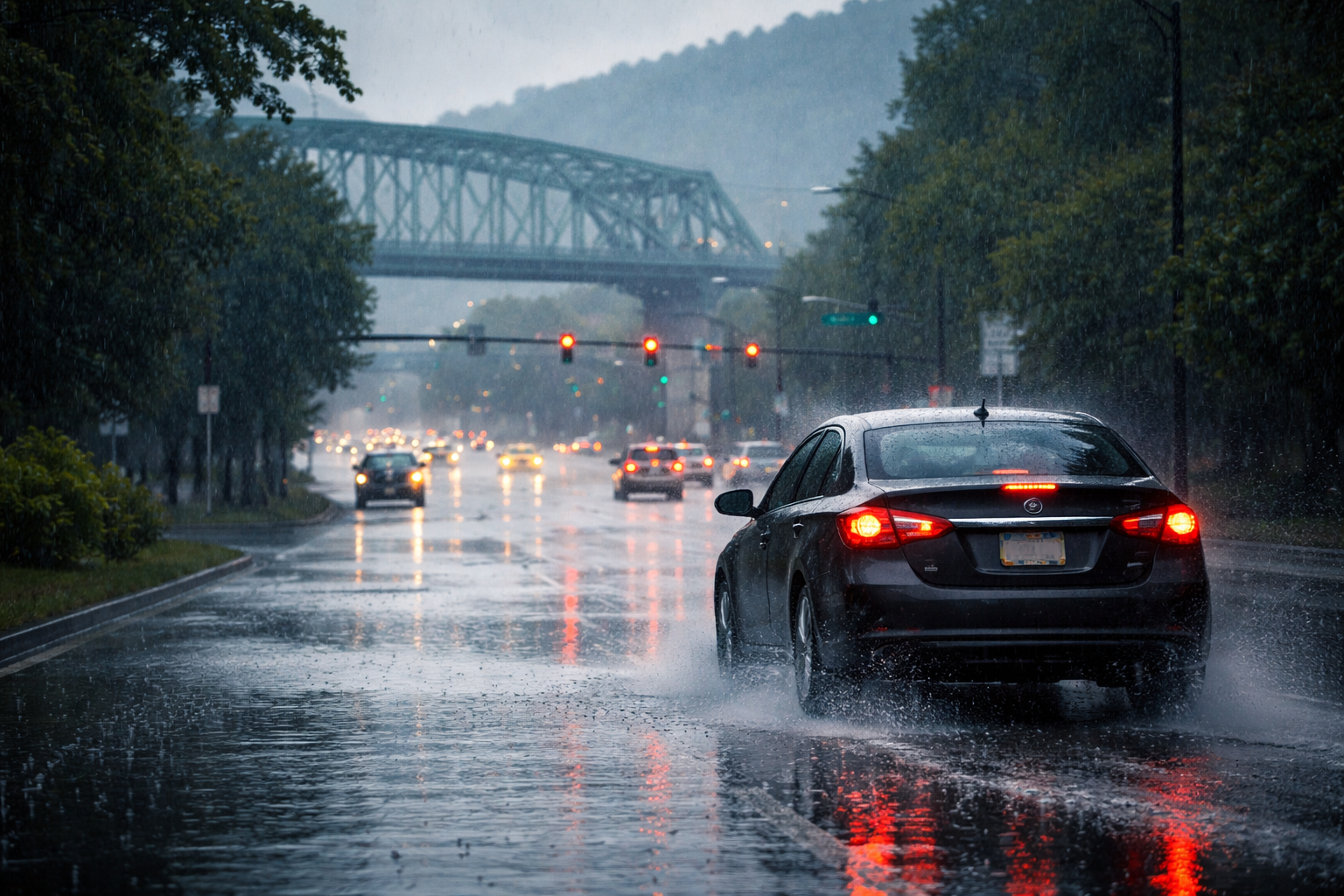
Springtime in Chattanooga brings frequent rainfall, which can quickly turn streets and highways into slippery surfaces. When water accumulates, even well-maintained roads become hazardous, and drivers may struggle with traction. Hydroplaning is a common occurrence during heavy rain, where tires lose contact with the road and vehicles can skid uncontrollably. In addition, leaves, pollen, or algae can accumulate on streets during the spring, further reducing grip and increasing stopping distances. Drivers who fail to adjust speed or maintain safe distances often face higher chances of accidents. Reduced visibility caused by rainfall, glare, or fog complicates the problem, making it difficult to spot other vehicles, road signs, or sudden obstacles. These factors, combined with distracted driving or inexperience in wet conditions, can turn a routine commute into a dangerous situation.
Common Causes of Accidents on Wet Roads
Accidents on rainy spring roads usually involve a combination of environmental conditions and driver behavior. Understanding these causes is essential for anyone involved in a collision:- Hydroplaning and loss of control: Standing water on streets and highways can cause a vehicle to lose traction. Even minor rainstorms can create puddles large enough to compromise control, particularly when drivers maintain speeds appropriate for dry conditions.
- Rear-end collisions: Tailgating is a leading cause of accidents during wet conditions. Slippery roads require longer stopping distances, and drivers who follow too closely are more likely to collide when a vehicle ahead brakes suddenly.
- Failure to adjust speed: Many drivers fail to reduce speed during rainfall, believing their tires will maintain traction. Driving too fast for conditions is a key contributor to crashes.
- Abrupt maneuvers: Swerving, sudden lane changes, or panicked braking often lead to accidents on slick surfaces. Smooth, cautious handling is critical to avoid collisions.
- Obstacles and debris: Fallen branches, leaves, and other debris create hazards, especially in neighborhoods, side streets, or areas with poor drainage. Drivers may not see these hazards until it is too late.


Tennessee’s Comparative Fault Rules
Tennessee follows a modified comparative fault system, meaning fault can be shared among multiple parties. The state’s laws require that a driver be less than 50 percent at fault to recover damages. For example, if two drivers contribute to an accident on a wet road, the damages awarded are adjusted based on each party’s share of responsibility. A driver who is 40 percent at fault may recover 60 percent of the total damages. If a driver is found 50 percent or more at fault, recovery may be barred completely. This system encourages careful documentation of every contributing factor, including weather, road conditions, and driver behavior, to ensure fair compensation.Insurance Considerations and Documentation
After a collision on wet roads, proper documentation is critical for insurance purposes. Drivers should take the following steps:- Photograph the scene: Capture images of vehicles, skid marks, road conditions, and any nearby obstacles. Include the surrounding area to show visibility and traffic conditions.
- Note weather conditions: Record the intensity of rainfall, any standing water, and reduced visibility factors. Include the time of day and lighting conditions.
- Avoid admitting fault: Statements made immediately after an accident can be used against you. Provide factual information to police or insurance companies but avoid speculating about responsibility.
- Gather eyewitness information: Names and contact details of witnesses can help support claims and clarify what occurred.
Driver Responsibilities in Wet Conditions
Even in heavy rain, Tennessee drivers are expected to exercise reasonable care. This includes slowing down for weather conditions, maintaining a safe following distance, keeping tires and brakes in proper condition, and staying alert for sudden hazards. Failure to meet these responsibilities can result in shared fault or liability, even if the other driver was also negligent. Courts and insurers look at whether drivers acted reasonably given the conditions, which makes careful documentation and legal guidance essential.
Garth Best was extremely helpful in my case. He explored and explained everything to me clearly and never stopped checking out every option. I am absolutely grateful I chose him as my attorney. Best and Brock are a great choice for representation. Thanks again.
- Jeremy Forgey
Matt Brock did an outstanding job with my case. Very thorough and knowledgeable attorney, highly recommended. Its very obvious through my interactions with him that he has the experience and knowledge to win in court. I will not go anywhere else. Great job, much appreciated.
- Chris Griffin
How Best & Brock Assists Clients
Best & Brock, including attorneys Garth Best and Matt Brock, has extensive experience representing clients in Chattanooga car accidents caused by wet road conditions. Their team can:- Conduct thorough investigations of accidents, including gathering evidence of weather and road conditions.
- Negotiate with insurance companies to ensure clients receive fair compensation.
- Explain Tennessee comparative fault rules and provide guidance on how they affect claims.
- Represent clients in court if necessary to protect their legal rights.
Preventing Accidents During Rainy Conditions
While some accidents are unavoidable, drivers can reduce risks through preventative measures:- Check the forecast: Knowing when rain is likely allows drivers to plan alternate routes or delay travel.
- Maintain vehicles: Ensure tires have adequate tread, brakes function properly, and windshield wipers are in good condition.
- Drive cautiously: Reduce speed and increase following distance to accommodate slippery surfaces.
- Stay alert: Be mindful of other drivers, road hazards, and changing weather conditions.
Related Videos
Common Mistakes in a Personal Injury Claim
Choosing a Personal Lawyer