
Best and Brock help Chattanooga drivers understand what DUI checkpoints can mean during Memorial Day, Independence Day, Labor Day, and other summer holiday periods when local roads often carry heavier evening traffic, out-of-town visitors, and late-night rides home from cookouts, concerts, lake trips, and downtown gatherings. A sobriety checkpoint is not the same as an ordinary traffic stop because officers may briefly stop vehicles according to a neutral plan, then look for signs that a driver may be impaired. You should know what officers may ask, what you should avoid saying, and why a checkpoint arrest can still be challenged if the stop, detention, testing, or arrest did not follow Tennessee law. The safest approach is to plan a sober ride before drinking, stay calm if you are stopped, and speak with a Chattanooga DUI lawyer quickly if you are cited or arrested.




Why Summer Holiday DUI Checkpoints Are Common Around Chattanooga 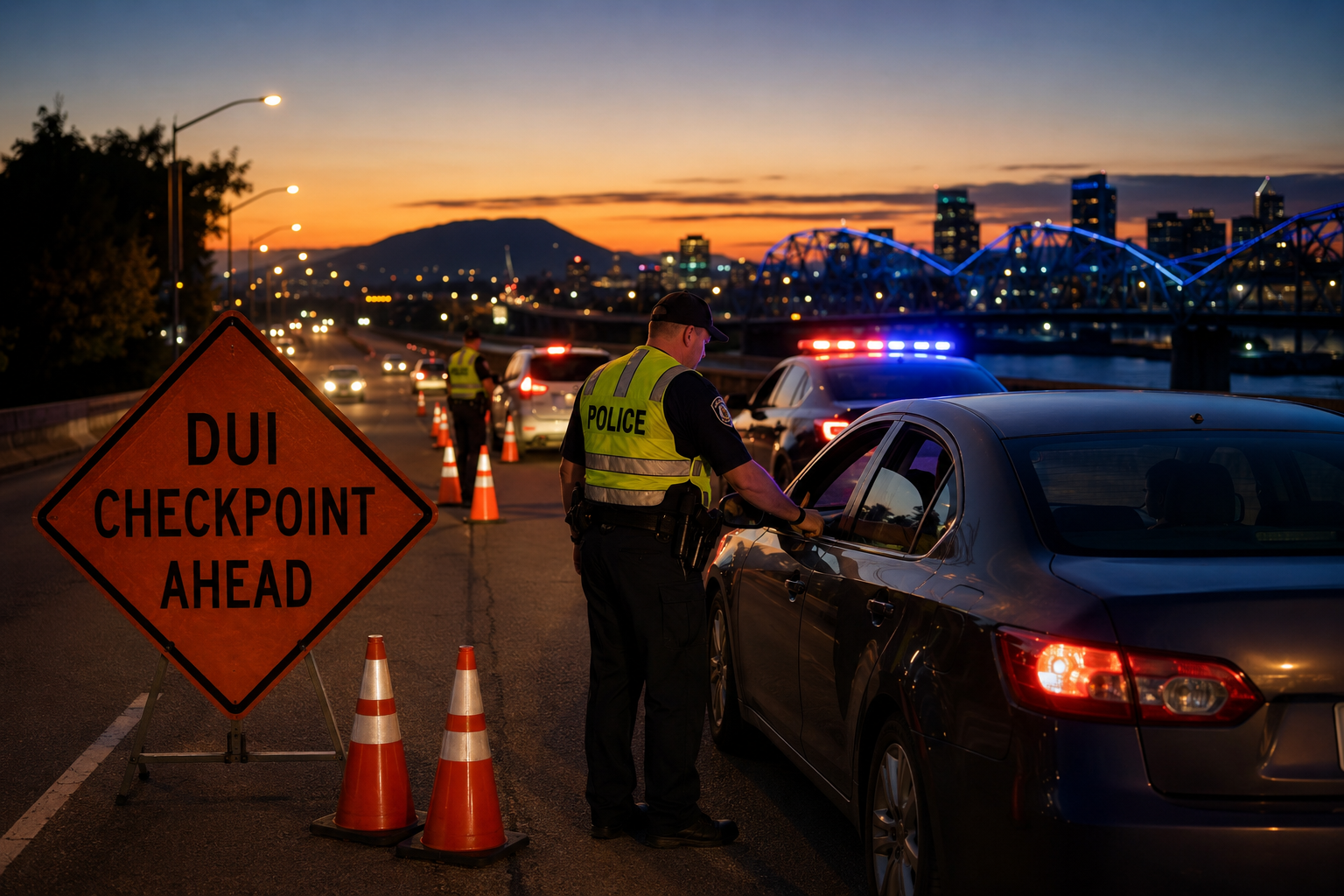
Summer holidays bring more vehicles onto Chattanooga roads, especially near downtown, the Tennessee River, Lookout Mountain routes, lake access roads, and highways connecting Hamilton County with Bradley County, Marion County, Sequatchie County, and North Georgia. During these weekends, police agencies often focus on impaired driving because alcohol use, late-night driving, fatigue, and unfamiliar roads can overlap. A driver leaving a barbecue in Hixson, a fireworks gathering near the riverfront, or a lake day outside Chattanooga may feel sober enough to drive, yet still draw attention because of speed changes, lane position, a delayed response at a checkpoint, or the odor of alcohol inside the vehicle.
A DUI checkpoint is designed to screen drivers without requiring an officer to see a traffic violation before the first stop. That does not mean officers have unlimited authority. Tennessee checkpoint procedures must be structured, supervised, and carried out in a way that limits arbitrary decision-making. If police move beyond a brief screening and begin a DUI investigation, they generally need specific observations that support further detention. That distinction matters because a short checkpoint contact can become a criminal case within minutes.
What Happens When You Enter a DUI Checkpoint
At a checkpoint, traffic is usually slowed with cones, patrol vehicles, lighting, and officers positioned along the roadway. Officers may stop vehicles using a neutral pattern, such as stopping every vehicle or stopping vehicles according to a preset sequence. The officer may ask for your driver’s license, registration, and proof of insurance. The officer may also ask where you are coming from, where you are going, or whether you have consumed alcohol. You should remain polite, keep your hands visible, and provide required driving documents when asked.
You do not need to turn a brief conversation into a detailed statement. Many drivers try to explain too much because they are nervous. That can create more issues, not fewer. If you say you had “only two drinks,” the officer may treat that statement as a reason to investigate further. If you guess about the time of your last drink, the statement may later be compared with breath or blood evidence. A calm response such as “I would prefer not to answer questions without legal advice” may feel uncomfortable, but it protects you from making statements that could be misunderstood.


Your Rights When Officers Ask Questions or Request Tests
Tennessee drivers should understand the difference between documents, questions, roadside exercises, and chemical testing. You are generally expected to provide license, registration, and insurance information during a lawful stop. You are not required to answer every investigative question about alcohol, medication, travel plans, or where you have been. You should not lie to an officer, but you may calmly decline to answer questions that are likely to be used in a criminal investigation.
Roadside sobriety exercises are often described in casual conversation as tests, but they are not as simple as pass or fail. Officers may ask you to walk heel to toe, stand on one leg, or follow an object with your eyes. These exercises can be affected by footwear, roadway slope, lighting, nerves, medical conditions, age, balance issues, fatigue, and confusing instructions. Many drivers do not realize these exercises are usually voluntary. Refusing them may not prevent an arrest, but performing them may give officers more evidence to cite in the arrest report.
Chemical testing is different. Tennessee has an implied consent law, and refusing a lawful request for a breath or blood test can lead to license consequences separate from the DUI charge. If you are facing a chemical test issue, a focused explanation of the Tennessee DUI process at https://www.bestlawhb.com/chattanooga-dui-lawyers/tennessee-dui-process/ can help you understand why timing, paperwork, and testing methods may become part of the defense.
Why a Checkpoint Case Can Be Challenged
Some drivers assume that a checkpoint arrest is impossible to fight because officers planned the operation in advance. That is not accurate. A checkpoint can raise several legal and factual questions. The defense may examine whether the checkpoint was properly authorized, whether the location and timing were approved by supervisory personnel, whether officers followed the written plan, whether public notice was handled as required, and whether the detention remained reasonable. If the checkpoint started as a neutral screening but became a prolonged investigation without enough specific facts, that may affect the case.
A defense may also focus on what happened after the stop. Did the officer accurately describe the driver’s speech and movement? Did body camera footage support the report? Were field sobriety instructions given correctly? Was the breath machine maintained and used properly? Was a blood draw supported by proper legal authority and handled with a reliable chain of custody? Did the driver have a medical condition or lawful prescription that explains the officer’s observations? These questions can matter in Hamilton County General Sessions Court and in later proceedings if the case moves forward. For drivers who want a broader look at common evidence issues, Best and Brock’s discussion of DUI defense strategies at https://www.bestlawhb.com/challenging-dui-evidence-common-tennessee-defense-strategies/ may be a helpful next step.

- Jeremy Forgey
- Chris Griffin
Common Summer Scenarios That Lead to DUI Arrests
Many summer DUI arrests begin with ordinary plans. A person has drinks at a cookout, waits an hour, drinks water, and believes they are safe to drive. A parent drives home after a long day on the water and feels tired, sunburned, and dehydrated. A group leaves a downtown event after midnight and the driver thinks the shortest route home will avoid heavy traffic. A visitor from Georgia or another Tennessee county follows a navigation app into a checkpoint and becomes nervous when an officer begins asking questions. None of those facts automatically prove impairment, but each situation can create risk. If your case involves medication or suspected drugged driving, the Chattanooga drugged driving attorneys page at https://www.bestlawhb.com/chattanooga-drugged-driving-attorneys/ offers related guidance on how these allegations differ from alcohol-only cases.
If you are arrested, the immediate practical steps are simple:
Stay calm and do not argue with officers at the roadside or booking area.
Use your right to remain silent beyond basic identifying information.
Write down what you remember as soon as you can, including the location, time, officer statements, testing requests, and any witnesses.
Contact a DUI attorney before court deadlines, license issues, or evidence problems become harder to address.
Penalties and License Concerns After a Chattanooga DUI Arrest
A Tennessee DUI charge can carry consequences that reach beyond the night of the arrest. Depending on the facts and any prior history, a driver may face jail time, fines, court costs, license restrictions, ignition interlock requirements, alcohol safety school, probation, and insurance problems. Commercial drivers, college students, healthcare workers, military personnel, teachers, and licensed professionals may also worry about job or credential issues. A first offense is still serious, and a repeat offense or crash-related allegation can raise the stakes.
License concerns are often one of the first questions after an arrest. Some drivers need to get to work, take children to school, attend medical appointments, or care for family members. Ignition interlock rules may also become part of the case, especially when a restricted license is involved. You can read more about that specific issue at https://www.bestlawhb.com/chattanooga-dui-law-what-is-an-ignition-interlock-device/. The right response depends on the charge, the test result, the driver’s record, and the court’s orders.
Penalties for a DUI Conviction Cost of a DUI LawyerRelated Videos
How a Chattanooga DUI Lawyer Reviews the Checkpoint Evidence
A strong defense starts with details. The attorney may request checkpoint plans, supervisor approvals, officer assignments, body camera footage, dash camera footage, dispatch records, testing records, maintenance logs, blood kit documentation, warrant paperwork, and officer training records. In some cases, the defense may also investigate lighting, road layout, traffic flow, signage, and whether the checkpoint created confusion for drivers. Small facts can matter because DUI cases often turn on what the officer claims to have observed during a short interaction.
Best and Brock represents people facing DUI charges in Chattanooga and surrounding East Tennessee communities. The firm’s DUI page at https://www.bestlawhb.com/chattanooga-dui-lawyers/ explains the types of DUI cases the team handles, and the contact page at https://www.bestlawhb.com/contact-us/ gives drivers and families a direct way to request help. When you speak with a lawyer, bring every paper you received, write down the names of passengers or witnesses, save ride-share receipts or photos from the evening, and avoid discussing the facts on social media.
If you or someone close to you was arrested at a Chattanooga DUI checkpoint during a summer holiday period, Best and Brock can review what happened and explain your options without making promises about the outcome. The firm offers free consultations and helps clients understand the court process, license concerns, evidence issues, and possible defense strategies. Acting early gives your attorney more time to preserve video, examine testing records, and identify problems that may not be obvious from the citation alone.
This information is for general educational purposes only and is not legal advice. Consult an attorney about your specific situation.

|
|
|