DUI stops can be particularly tricky for both law enforcement officers and drivers in Chattanooga, especially when they occur at night. The darkness creates unique challenges for officers as they attempt to observe signs of intoxication, and it can be even more complicated when body-cam footage is introduced into the mix. The role of body-worn cameras in law enforcement has become a staple for providing clarity and transparency in interactions between officers and civilians. However, these devices can play both in favor of and against the person facing DUI charges, depending on various factors like lighting, camera angles, and audio clarity.








In Chattanooga, DUI laws are strictly enforced, and the evidence collected during an arrest—whether visual, physical, or verbal—can significantly influence the outcome of a case. Body cameras have become standard for many officers, but it’s important to understand how their footage could impact your defense if you are arrested for driving under the influence.
The Impact of Lighting on Body-Cam Footage During Nighttime DUI Stops 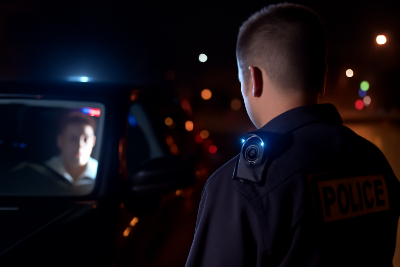
One of the most significant factors that can influence the quality of body-cam footage during nighttime DUI stops is the lighting. At night, limited visibility can make it difficult for the body cameras to capture clear images or video, potentially leaving room for interpretation about what was actually seen during the stop. While body-cams are equipped with night vision and infrared technology, these tools are not foolproof.
When an officer pulls over a driver at night, the body camera may struggle to clearly capture the driver’s movements, face, or condition. If the lighting is poor—such as in dark alleys, poorly lit streets, or rural areas—important details may be lost in the footage. This can work to the advantage of the defense if the footage is grainy or unclear because it may be harder for the prosecution to establish that the driver was impaired based on visual cues alone.


Additionally, the lighting around the driver can influence the officer’s ability to observe signs of intoxication, such as bloodshot eyes or swaying movements. If the lighting is inadequate, it could raise doubts about whether the officer made their observations based on accurate visual information. For example, in some cases, an officer may claim they saw a driver stumble or have difficulty following instructions during a field sobriety test. However, if the body-cam footage is unclear due to poor lighting, the defense could argue that the officer’s observations were unreliable.
Audio Quality and Its Role in Body-Cam Footage
The role of audio in body-cam footage cannot be overstated, especially in DUI cases. The audio of an interaction between the officer and the driver can provide crucial evidence about the suspect’s state of mind, behavior, and responses to questions. Clear audio recordings of the driver’s speech can often provide insight into whether the person was under the influence of alcohol or drugs. However, much like the video footage, the quality of the audio can be compromised in certain situations.
During a nighttime DUI stop, background noises can interfere with the audio quality. For instance, if the stop occurs on a busy street, there may be traffic noise, sirens, or other disturbances that make it difficult to clearly hear what the officer and the driver are saying. Muffled audio can leave room for misinterpretation, and if the defense can show that the audio was not clear or was distorted, it could weaken the prosecution’s case.

- Jeremy Forgey
- Chris Griffin
One of the most important aspects of audio in DUI cases is whether the driver’s speech was slurred or whether they had difficulty answering questions. If the body-cam footage clearly shows that the driver’s speech was impaired, this could be a strong piece of evidence for the prosecution. On the other hand, if the audio captures the driver speaking clearly and coherently, this could challenge the officer’s claim that the driver was intoxicated.
How Body-Cam Footage Can Benefit Your DUI Defense
Body-cam footage can serve as a powerful tool for defense attorneys in DUI cases. If the footage is properly reviewed and analyzed, it can offer insights that may help refute the prosecution’s claims. One of the main ways that body-cam footage can work in your favor is by providing visual evidence that challenges the officer’s testimony.
For instance, if the officer claims that the driver was unsteady on their feet or had trouble following instructions during field sobriety tests, body-cam footage can either confirm or contradict these observations. If the video shows the driver walking without difficulty or answering questions without slurring their words, the defense could argue that the officer’s observations were inaccurate. The footage could also show the officer administering the sobriety tests incorrectly, which could provide a basis for challenging the results.
Penalties for a DUI Conviction Cost of a DUI LawyerRelated Videos
In addition, body-cam footage may capture moments where the officer failed to properly communicate with the driver. For example, if the officer did not properly instruct the driver during the field sobriety test or made confusing statements, this could affect the validity of the test results. Clear video and audio evidence of these mistakes could be used to weaken the prosecution’s case.
How Body-Cam Footage Can Work Against Your DUI Defense
While body-cam footage has the potential to help your case, it can also have the opposite effect. In some instances, the footage can clearly show signs of intoxication that are difficult to dispute. If the officer’s testimony aligns with the video footage, it can strengthen the case against you.
For example, if the video shows you stumbling, having difficulty maintaining balance, or appearing disoriented during the interaction, this could serve as strong evidence of impairment. In cases where the officer observes slurred speech or erratic behavior, the body-cam footage can corroborate their observations, making it harder to challenge the DUI charges.
Additionally, if the footage shows the officer properly administering the field sobriety tests and the results indicate impairment (such as failing to walk in a straight line or failing to perform the one-leg stand), this could significantly hurt your defense. The body-cam footage would be seen as an objective, impartial record of the event, and the defense would have limited grounds to challenge the evidence.
What to Expect When Body-Cam Footage Is Part of Your DUI Case
If you’re arrested for DUI in Chattanooga and body-cam footage is involved, it’s essential to understand the potential implications for your case. Body-cam footage is often seen as an impartial third-party account of the event, so it’s crucial to review the footage carefully to identify any inconsistencies or weaknesses.
The footage will be reviewed by both the prosecution and the defense, and it can play a pivotal role in the outcome of your case. The quality of the footage—whether it’s clear, concise, and free of distortion—can influence how it is perceived in court. The defense team may work with experts to analyze the footage and identify any issues that could undermine the prosecution’s case.
At Best and Brock, we understand how body-cam footage can impact your DUI case. Our team of experienced DUI attorneys is ready to analyze every piece of evidence, including body-cam footage, to build a defense that works for you. If you’ve been arrested for DUI in Chattanooga, don’t navigate the legal system alone.
Contact us today for a free consultation. We’ll help you understand your rights and options and work with you to develop a strong defense strategy.
To learn more about this subject click here: Steps to Take After Getting Pulled Over for Suspected DUI

|
|
|