Spring in Chattanooga brings frequent rain showers, creating hazardous driving conditions that can easily lead to hydroplaning crashes. These accidents often involve complex questions of fault, especially when multiple vehicles are involved or road conditions contribute to the collision. Understanding how fault is decided under Tennessee law is essential for drivers and accident victims who want to protect their rights, ensure proper insurance coverage, and pursue compensation if they are injured or suffer property damage. Attorneys at Best and Brock have extensive experience helping Chattanooga residents navigate the challenges of rainy weather crashes, providing guidance on evidence collection, insurance negotiations, and legal strategies that maximize the likelihood of fair outcomes.





Understanding Hydroplaning and Its Risks 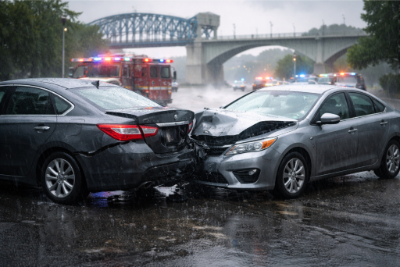
Hydroplaning occurs when a layer of water separates a vehicle’s tires from the roadway, causing drivers to lose traction and control. This risk increases dramatically during heavy rain or when water collects in puddles along Chattanooga streets. Spring rains can be unpredictable, with sudden showers leading to slick road surfaces that catch even experienced drivers off guard. When a vehicle hydroplanes, it may slide uncontrollably, swerve into other lanes, or collide with objects on or near the roadway. Even a cautious driver can fall victim to these conditions if speed, tire condition, or road maintenance factors are unfavorable. Drivers should be aware that hydroplaning can result in serious injuries or significant property damage, making it critical to understand both preventative measures and the legal implications after a crash occurs.
Factors That Contribute to Hydroplaning
Several factors influence whether a vehicle is likely to hydroplane, and these factors are often considered when determining fault in a crash. The primary elements include vehicle speed, tire tread depth, tire pressure, and road surface conditions. Excessive speed is the leading contributor to hydroplaning because even a small puddle can cause a loss of traction when a vehicle moves too quickly. Worn or improperly inflated tires also reduce the ability to grip wet roads effectively, increasing the likelihood of sliding. In addition, poorly maintained roads with uneven surfaces, potholes, or water buildup can exacerbate hydroplaning risks. Understanding these factors is essential when analyzing responsibility in an accident, particularly when multiple drivers or road authorities may share liability.


How Tennessee Law Determines Fault
Tennessee operates under a comparative negligence system, meaning that each party’s degree of responsibility for a crash is assessed and may impact compensation. In hydroplaning crashes, this assessment can be complicated because multiple factors, including driver behavior, road maintenance, and environmental conditions, intersect. For instance, if a driver exceeds the speed limit on a wet road and hydroplanes into another vehicle, they may bear a significant portion of fault. Conversely, if poor road conditions or lack of adequate signage contribute to a loss of control, a municipality or private property owner may share liability. Insurance adjusters and courts carefully review evidence such as accident reports, witness statements, and photographs to assign responsibility accurately. In some cases, liability may be divided among multiple parties, reflecting the shared role each played in causing the collision.
Gathering Evidence After a Hydroplaning Crash
Collecting evidence immediately after a hydroplaning crash is vital for proving fault and ensuring fair insurance settlements. Drivers should document the scene extensively, taking photographs of skid marks, tire tracks, vehicle damage, and water accumulation on the road. Recording weather conditions, including rainfall and standing water, is also essential. Witness accounts can corroborate events and provide an objective perspective on how the crash occurred. Police reports often include details that establish contributing factors such as citations for speeding or other violations. Additionally, keeping medical records, repair estimates, and any communications with insurance companies will help build a comprehensive case. Legal guidance from Best and Brock can ensure that evidence is collected and preserved properly, which is particularly important in accidents where fault is disputed.
Insurance Considerations in Hydroplaning Accidents
Insurance companies assess fault carefully in hydroplaning crashes, and compensation can be influenced by the comparative negligence of each driver. Adjusters evaluate driver statements, physical evidence, accident reports, and expert opinions to determine coverage and liability. Even if a driver’s actions contributed to a hydroplaning accident, insurance may still cover damages proportionally based on the degree of fault. For example, if two vehicles are involved and one driver failed to maintain proper speed while the other was operating on worn tires, liability could be split. Documentation and legal representation are crucial, as insurance companies may attempt to minimize payouts or assign greater fault to the policyholder. Skilled Chattanooga attorneys can negotiate effectively with insurers to ensure clients receive fair compensation for injuries, lost wages, and vehicle repairs.

- Jeremy Forgey
- Chris Griffin
Common Scenarios in Hydroplaning Accidents
Hydroplaning crashes can occur in a variety of ways, each with unique fault considerations. Rear-end collisions often happen when a hydroplaning vehicle slides into another car that is stopped or moving slowly. Multi-car pileups are common on busy highways where water creates slippery conditions, leading to chain-reaction accidents. Single-vehicle crashes also occur when drivers hydroplane and hit guardrails, trees, or parked vehicles. Each scenario requires careful analysis of speed, road conditions, tire condition, and driver actions to determine liability accurately. Best and Brock’s experience with Chattanooga hydroplaning cases ensures that these factors are thoroughly examined, enabling informed decisions and strong advocacy for clients seeking justice.
Common Mistakes in a Personal Injury Claim Choosing a Personal LawyerRelated Videos
Preventing Hydroplaning Crashes
While fault may be assessed after a crash, prevention remains the best strategy. Drivers can reduce hydroplaning risk by adjusting speed, maintaining proper tire tread and pressure, avoiding sudden maneuvers, and increasing following distances during rain. Visibility is also critical; using headlights and windshield wipers appropriately can help prevent accidents. Being attentive to standing water and recognizing the signs of hydroplaning, such as sudden loss of steering response or tire slippage, allows drivers to respond quickly and regain control. Although not all hydroplaning incidents are avoidable, careful driving significantly reduces the likelihood of accidents and related injuries.
The Role of Legal Representation
Hydroplaning accidents often involve multiple parties, including drivers, municipalities, or property owners, making fault determination complex. Engaging experienced legal counsel from Best and Brock ensures that accident victims’ rights are protected and claims are handled appropriately. Attorneys can advise on evidence collection, assess liability, interact with insurance companies, and pursue legal action if necessary. Effective legal representation can make the difference between a fair settlement and an underpaid claim, particularly in cases where fault is contested or damages are extensive. Chattanooga residents benefit from Best and Brock’s decades of combined experience in personal injury and car accident law, giving clients confidence that their cases are in capable hands.
Next Steps After a Hydroplaning Accident
If you experience a hydroplaning accident, immediate steps include securing medical attention, documenting the scene, and contacting an attorney promptly. Avoid discussing fault with other drivers or insurance representatives until legal guidance is obtained. Best and Brock provides free consultations to evaluate hydroplaning accidents, determine potential claims, and guide clients through the claims process. Early action is critical, as evidence can degrade over time, witnesses may become unavailable, and insurance deadlines may limit options. Taking decisive steps ensures that Chattanooga residents can pursue compensation effectively and protect their long-term interests.
Hydroplaning accidents during Chattanooga’s spring rains present unique risks and legal challenges. Tennessee’s comparative negligence system means that fault is assessed based on driver actions, road conditions, and other contributing factors. Collecting evidence, understanding insurance considerations, and consulting with an experienced attorney are critical for ensuring fair outcomes. Best and Brock has extensive experience handling hydroplaning and other car accidents in Chattanooga, providing guidance and representation that safeguards client rights. By understanding how fault is determined and taking the appropriate steps after an accident, drivers can protect themselves and pursue compensation for injuries and damages effectively.
To learn more about this subject click here: April Showers and Car Accidents in Tennessee: How Wet Roads Affect Fault and Claims

|
|
|