
Boating in Tennessee carries the same legal responsibilities as driving a vehicle on the road. If alcohol or drugs impair a person operating a boat, Tennessee law allows law enforcement to file Boating Under the Influence charges, treated in a similar way to DUI offenses. During peak summer months, enforcement increases across lakes and rivers, and many people are surprised to learn how quickly a recreational outing can turn into a criminal matter. This explanation breaks down how the law is applied, what officers look for, and what potential penalties may follow.






Understanding Boating Under the Influence in Tennessee 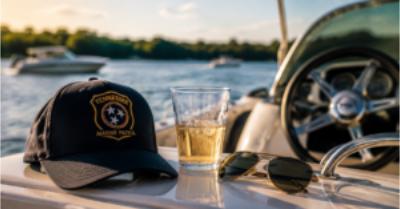
Best and Brock, a Tennessee criminal defense law firm serving Chattanooga and surrounding areas, frequently represents individuals charged with alcohol-related offenses on both roadways and waterways. Tennessee law treats boating while impaired seriously because waterways present unique safety risks involving speed, crowding, and limited maneuvering space. When someone operates a boat while impaired by alcohol or drugs, they can be charged with Boating Under the Influence, even if the vessel is moving slowly or anchored with an engaged motor.
The legal threshold for impairment is generally tied to a blood alcohol concentration of 0.08 percent or higher, but officers are not required to rely solely on chemical testing. If an officer believes a person’s ability to safely operate a vessel is impaired, a charge may follow even if the measured level is lower.
More background on how DUI classifications work in Tennessee can be found here:
https://www.bestlawhb.com/what-is-considered-a-dui-offense-in-the-chattanooga-tennessee-area/
How Tennessee Law Applies on Lakes and Rivers
Boating laws in Tennessee apply across all navigable waters, including large lakes such as Chickamauga Lake and Nickajack Lake, as well as rivers and smaller recreational waterways. Enforcement is carried out by wildlife officers, marine patrol units, and local law enforcement agencies that share jurisdiction depending on the location.
The law does not differentiate between “casual boating” and more serious navigation when it comes to impairment. A person operating a jet ski, pontoon boat, fishing vessel, or speedboat is held to the same standard of safe operation. Even passengers can be impacted if they are found to be operating a vessel intermittently or assisting in navigation while impaired.
During busy weekends and holiday periods, officers increase patrol presence significantly. Summer holidays often bring dense water traffic, which increases the likelihood of stops and safety inspections.


Why Summer Months Lead to Increased Enforcement
Warm weather months bring higher boating activity, and with it, increased enforcement efforts aimed at preventing accidents. Tennessee participates in statewide safety campaigns that target impaired boating during peak recreation periods. These initiatives are especially active around major holidays when alcohol consumption on the water is more common.
One of the most active enforcement initiatives is Operation Dry Water, which focuses on removing impaired operators from waterways and increasing public awareness of boating safety rules.
More details on enforcement efforts can be found here:
https://www.bestlawhb.com/operation-dry-water/
These campaigns are not limited to major violations. Officers often conduct safety checks for life jackets, registration compliance, navigation equipment, and general operational behavior. If impairment is suspected during any interaction, the situation can escalate quickly.
How Officers Determine Impairment on the Water
Unlike roadside stops, boating environments are less structured, which means officers rely on a combination of observation, behavior, and field evaluations. Signs of impairment may include inconsistent steering, delayed responses to instructions, difficulty maintaining course, or unsafe proximity to other vessels.
Officers may also observe physical indicators such as slurred speech, unsteady movement when boarding or exiting a vessel, and the presence of alcohol containers. Field sobriety tests may be conducted onshore due to the instability of water conditions.
Chemical testing, when used, may occur after transport to shore. However, probable cause observations often play a significant role in determining whether an arrest is made.

- Jeremy Forgey
- Chris Griffin
What Happens During a Stop on the Water
A stop on the water typically begins as a safety inspection. Officers may approach a vessel and request basic information such as registration, identification, and safety equipment. From there, the interaction may expand if any signs of impairment are observed.
Unlike traffic stops on land, boat stops can involve multiple passengers and less predictable environments. This can create confusion about individual responsibility and who is considered the operator. In some cases, more than one person may have taken turns steering the vessel, which can complicate the legal analysis.
If officers decide to proceed with an arrest, the individual is typically transported to shore for processing. Statements made during the initial encounter may be documented and later used in court proceedings.
For guidance on what to do after an arrest, this resource may be helpful:
https://www.bestlawhb.com/what-to-do-and-what-not-to-do-when-arrested-for-a-dui-in-chattanooga/
Penalties for a DUI Conviction Cost of a DUI LawyerRelated Videos
Penalties for Boating Under the Influence
Penalties for boating under the influence in Tennessee can mirror those associated with DUI charges involving motor vehicles. The severity depends on prior history, level of impairment, and whether aggravating factors are present.
Potential consequences may include fines, probation, mandatory safety or alcohol education programs, loss of boating privileges, and possible jail time. Repeat offenses or cases involving accidents, injuries, or property damage may result in significantly enhanced penalties.
Tennessee is known for strict DUI enforcement policies, which also influence how boating cases are handled:
https://www.bestlawhb.com/tennessee-is-the-12th-toughest-state-on-dui/
Even a first-time charge can create long-term consequences beyond immediate penalties, including impacts on employment, insurance, and background checks.
Common Misunderstandings About Boating and Alcohol
One of the most common misconceptions is that boating allows more leniency with alcohol consumption. In reality, Tennessee law does not provide exceptions based on recreational context. Another misunderstanding involves the belief that being anchored or drifting removes liability. If a vessel’s engine is engaged or a person is actively controlling the boat, impairment laws may still apply.
Some individuals also assume that sobriety tests are optional or can be refused without consequence. While there may be legal rights involved, refusal can still influence how a case is evaluated.
Defense Considerations in Boating Impairment Cases
Every boating-related impairment case depends heavily on the specific facts involved. Environmental conditions, wave movement, lighting, and vessel instability can all affect how observations are interpreted. Field sobriety evaluations conducted in marine environments may not always reflect standard roadway conditions.
Legal defenses may examine whether the stop was justified, whether procedures were properly followed, and whether observations accurately supported impairment conclusions. In some situations, inconsistencies in officer reports or testing methods may become important factors.
Cases involving shared operation of a vessel can also raise questions about who was actually in control at the time of alleged impairment.
Why Legal Guidance Matters
Boating under the influence charges carry consequences that extend beyond a single outing on the water. They can affect driving privileges, criminal records, and future opportunities. Because these cases often involve multiple jurisdictions and complex factual situations, early legal guidance can be important in understanding available options.
Best and Brock works with individuals facing DUI and boating-related charges across Chattanooga and surrounding Tennessee communities, offering defense strategies tailored to the circumstances of each case. A free consultation is available to help individuals better understand their situation and next steps.
Final Note
This information is provided for general educational purposes only and does not create legal advice. Anyone facing a boating-related impairment charge should consult a qualified attorney regarding their specific circumstances.

|
|
|