
Rear-end collisions are among the most common types of crashes during summer vacation travel across Tennessee. Best and Brock work with individuals and families who are often surprised by how quickly these accidents happen, especially when traffic is heavy, drivers are distracted, and highway conditions change without warning. Summer brings an increase in road trips, tourism, and long-distance travel, all of which combine to create higher congestion levels on interstates and local routes leading to destinations across Chattanooga and surrounding areas. When traffic density rises, even a small mistake in attention or following distance can lead to a serious crash that disrupts lives in seconds.








These collisions are rarely caused by a single factor. Instead, they usually result from a combination of driver behavior, road conditions, and seasonal traffic patterns. Understanding these causes helps explain why rear-end crashes spike during summer travel and why liability often becomes a key issue in injury claims.
Heavy Vacation Traffic and Reduced Following Distance 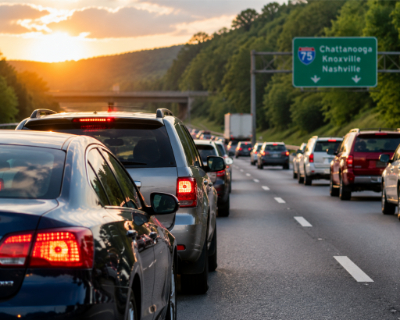
One of the most significant contributors to rear-end collisions during summer is the sheer volume of vehicles on Tennessee roads. Highways such as I-24, I-75, and major connecting routes experience sustained traffic increases due to travelers heading toward lakes, mountains, and entertainment destinations. When more vehicles occupy the same roadway, drivers naturally reduce following distances without realizing how much their reaction time has been compromised.
In slow-moving or stop-and-go traffic, drivers often become complacent, assuming that speeds will remain steady. However, sudden braking is extremely common when congestion builds near exits, construction zones, or merging points. When a driver follows too closely in these conditions, even a brief stop from the lead vehicle can result in a collision. The risk increases significantly when large vehicles such as RVs and rental trucks are involved, as they require longer stopping distances and can obscure visibility of traffic ahead.


Distracted Driving During Long Summer Trips
Summer travel often means extended periods behind the wheel, which increases the likelihood of distraction. Drivers may rely heavily on GPS systems, adjust in-car entertainment, respond to messages, or interact with passengers during long trips. Even momentary distractions can have serious consequences when traffic is dense and unpredictable.
In Tennessee, texting while driving is illegal, yet distraction remains one of the most common contributing factors in rear-end collisions. A driver who looks away from the road for just a few seconds may fail to notice brake lights ahead or sudden changes in traffic speed. These crashes often occur in chain-reaction patterns where one distracted driver triggers multiple impacts.
More information on driver responsibility under Tennessee law can be found here:
https://www.bestlawhb.com/texting-and-driving-is-a-crime-in-tennessee/
Sudden Traffic Slowdowns Near Vacation Destinations
Popular summer destinations throughout Tennessee create unique traffic patterns that are difficult for unfamiliar drivers to anticipate. Areas near lakes, parks, concert venues, and seasonal attractions often experience unpredictable slowdowns. Drivers searching for exits or parking areas may brake abruptly, causing following vehicles to react too late.
These sudden changes are especially common during weekends and holiday travel periods when tourist traffic mixes with local drivers. A driver who is unfamiliar with the area may also hesitate at exits or make last-second lane changes, which forces nearby vehicles to stop or adjust quickly. In these moments, rear-end collisions can occur even when all drivers are attempting to act cautiously.

- Jeremy Forgey
- Chris Griffin
Speeding and Aggressive Driving in Congested Conditions
Although summer traffic is often slow-moving, speeding still plays a major role in rear-end collisions. Some drivers attempt to weave through congestion or accelerate aggressively when brief openings appear in traffic. This behavior reduces stopping time and increases the likelihood of impact when traffic conditions shift unexpectedly.
Tailgating is another common issue during congested summer travel. Drivers who follow too closely often misjudge how quickly traffic can slow, especially when visibility is limited by larger vehicles. Aggressive driving behaviors such as frequent lane changes or failure to maintain steady speeds contribute to instability in traffic flow, increasing crash risk for everyone on the road.
Tennessee law defines reckless driving as behavior that endangers others on the roadway, which can become a critical factor in determining fault:
https://www.bestlawhb.com/reckless-driving-in-tennessee/
Driver Fatigue and Long-Distance Travel Risks
Many summer travelers in Tennessee are driving long distances, often for several hours at a time. Fatigue becomes a significant factor in these situations, even when drivers feel alert. Reaction times slow, attention becomes inconsistent, and decision-making can be impaired without obvious warning signs.
Drowsy driving is particularly dangerous in heavy traffic because it reduces the ability to respond to sudden braking or lane changes. A fatigued driver may fail to notice slowing vehicles ahead or may react too late to avoid a collision. These crashes frequently occur in the late afternoon or evening when drivers have already spent extended time on the road.
Common Mistakes in a Personal Injury Claim Choosing a Personal LawyerRelated Videos
Construction Zones and Changing Road Conditions
Summer is also peak construction season in Tennessee, which means drivers frequently encounter lane closures, reduced speed limits, and shifting traffic patterns. These changes force drivers to brake suddenly or merge quickly, both of which increase the likelihood of rear-end collisions.
Construction zones require heightened attention and reduced speed, yet not all drivers adjust accordingly. When one vehicle slows to comply with posted limits and another fails to react in time, a rear-end crash can occur instantly. Uneven pavement and narrowed lanes further increase risk in these areas.
Determining Fault in Rear-End Collisions
In most rear-end collisions, the driver in the trailing vehicle is often presumed responsible, since all drivers are expected to maintain a safe following distance. However, fault is not always straightforward. Situations involving sudden unsafe lane changes, mechanical failure, or unexpected stops may shift liability depending on the evidence.
Insurance companies typically examine crash reports, witness statements, and physical evidence to determine responsibility. These cases can become complex quickly, especially when multiple vehicles are involved or when injuries are significant. Understanding how fault is evaluated is essential for anyone seeking compensation after a collision.
Legal Guidance After a Rear-End Crash
After a rear-end collision, injured individuals often face medical expenses, lost wages, and disputes with insurance providers. Tennessee law provides avenues for recovery, but timing and documentation are important. Subrogation issues may also arise when insurance companies seek reimbursement:
https://www.bestlawhb.com/what-is-subrogation/
Best and Brock assists individuals across Tennessee who have been injured in motor vehicle collisions. The firm helps evaluate liability, manage insurance communications, and pursue compensation for medical treatment and other damages resulting from serious crashes. Early legal guidance can help preserve evidence and improve the outcome of a claim.
Best and Brock offers a free consultation for individuals injured in Tennessee car accidents. Our team reviews the circumstances of each case and provides clear guidance on available legal options.
This information is for educational purposes only and does not constitute legal advice. Consult an attorney regarding your specific situation.

|
|
|