As temperatures drop in Tennessee, roads become more hazardous, leading to a noticeable increase in car accidents. After the first freeze, ice and frost present hidden dangers for drivers unfamiliar with winter road conditions. In this detailed discussion, we’ll explain why this happens, how to stay safe, and what legal options you have if you’re involved in an accident.





The First Freeze: A Dangerous Time for Drivers 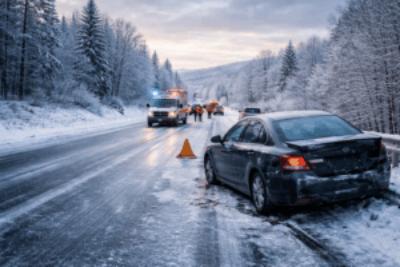
When the first freeze of the season hits Tennessee, roads can become unexpectedly treacherous. At first glance, they may seem perfectly safe for travel, but lurking under the surface, there’s often a layer of black ice, frost, or frozen moisture that can catch even the most experienced drivers off guard. This change in road conditions is typically not anticipated by many Tennesseans, who are more accustomed to the warmer, drier roads of fall.
Best and Brock Law Firm has seen an uptick in cases following the first significant freeze of the season, where the road conditions were a major contributing factor. Drivers unfamiliar with how to handle slick, icy roads tend to find themselves in accidents that could have been avoided with a little more caution and awareness. Understanding why accidents increase and how to protect yourself on the road can save lives and prevent costly mistakes.
While many think that snowstorms are the biggest threat to road safety in winter, the reality is that freezing temperatures can cause roads to become just as dangerous, if not more so. Black ice is particularly dangerous because it is hard to detect. This thin layer of ice forms on the road surface when the temperature drops below freezing, often during the night or in the early morning hours when roads seem clear.
Why Ice Poses Such a Threat
It’s important to understand how ice forms and why it’s such a danger to drivers in Tennessee. Most of us know that water freezes when the temperature hits 32°F, but what many drivers fail to realize is that even small amounts of moisture on the road can create an icy surface. Overnight, dew, rain, or even melting snow can freeze as temperatures dip, making early morning commutes especially hazardous.
- Black Ice: This type of ice is often hard to see because it forms a very thin layer over the asphalt. Unlike the white, snow-like ice that’s easier to spot, black ice is nearly invisible to the naked eye, making it more likely that a driver won’t slow down or change their behavior when approaching it.
- Frost and Freezing Rain: These conditions can make roads slippery even when there isn’t snow. A light frost on the ground, combined with the early morning sun, can cause moisture to freeze on the surface of the roads, which increases the likelihood of accidents.
- Wet Roads: After a rainy or snowy period, the wetness on the road can freeze when the temperature drops, especially in shaded areas that don’t receive the full warmth of the sun.


How Driver Behavior Contributes to the Problem
While weather conditions play a large role in the increase in accidents after the first freeze, driver behavior is another major factor. Many Tennesseans simply aren’t prepared for winter driving conditions and often make poor decisions that lead to accidents. This includes driving too fast, failing to adjust to slick roads, or not having the right equipment for winter driving.
- Failure to Slow Down: When drivers fail to adjust their speed for icy conditions, they dramatically increase their chances of losing control of their vehicle. On dry pavement, a driver can maintain control of their vehicle even if they make a quick maneuver or stop. However, on icy roads, stopping distance increases, and vehicles are more likely to skid or slide.
- Not Giving Enough Distance: After the first freeze, it’s crucial to leave extra space between your car and others. Drivers who follow too closely to the car ahead of them are at risk of rear-ending that vehicle if the roads are icy. Even light taps on the brake can lead to skidding, especially on icy roads.
- Overestimating Traction: A common misconception among drivers is that vehicles with four-wheel drive or all-wheel drive can handle icy conditions better than those without. While these vehicles may offer better traction on snow or mud, they do not perform better on ice. Drivers who overestimate the capabilities of their four-wheel-drive vehicles may drive too quickly or attempt maneuvers they shouldn’t, leading to accidents.

- Jeremy Forgey
- Chris Griffin
Key Areas for Increased Risk
Some areas are more prone to dangerous driving conditions after the first freeze than others. Drivers should be aware of these potential hazards and adjust their driving accordingly.
- Bridges and Overpasses: These elevated roadways freeze more quickly than the rest of the road because cold air circulates underneath them. In the early morning hours or late at night, they can become icy even when other parts of the road seem clear.
- Shaded Areas: Roads that are shaded by trees or buildings may freeze more quickly and may remain icy even after the sun rises. Be cautious in areas where the road is often in shadow.
- Rural and Secondary Roads: In Tennessee, rural roads may not be treated with salt or sand as frequently as highways. These roads can become especially hazardous after a freeze, particularly in rural areas where traffic is lighter, and drivers are less likely to slow down.
Tips for Safer Driving in Winter Conditions
If you live in or are visiting Tennessee during the winter months, there are several steps you can take to reduce the risk of accidents after the first freeze. These tips can help protect you and other drivers on the road.
- Slow Down and Adjust Your Speed: Always reduce your speed when driving on icy or wet roads. The posted speed limit may not be appropriate under these conditions, so make sure to adjust your driving speed accordingly.
- Increase Following Distance: Keep a larger gap between you and the car in front of you to allow for more time to stop in case of an emergency. Icy roads require longer stopping distances.
- Avoid Sudden Movements: Sudden braking or sharp turns can cause your car to lose traction and slide. Make all movements smoothly and gradually.
- Check Your Tires: Ensure your tires are properly inflated and have adequate tread. Winter tires, or all-season tires with good tread, are essential for maintaining control in icy conditions.
- Use Your Headlights: Even during the day, it’s a good idea to use your headlights when driving in winter conditions. This helps improve your visibility to other drivers, especially in early morning or evening hours.
Common Mistakes in a Personal Injury Claim Choosing a Personal LawyerRelated Videos
What to Do if You’re Involved in an Accident
If you find yourself in a car accident after the first freeze, it’s important to take the right steps to protect yourself and ensure that you receive any compensation you may be entitled to. Here’s what you should do if you’re involved in an accident:
- Stay Calm and Call 911: If anyone is injured or if the accident is blocking traffic, call the police immediately. Ensure that an official report is made.
- Document the Scene: If it’s safe to do so, take photos of the accident scene, the vehicles involved, and the road conditions. These can serve as crucial evidence if the accident leads to a personal injury claim.
- Contact an Experienced Attorney: If you’re involved in a serious accident or you believe another driver was at fault, it’s important to consult with an experienced personal injury attorney. Best and Brock Law Firm offers free consultations to help you navigate your legal options and understand the next steps.
Driving in Tennessee after the first freeze presents unique challenges. The combination of unpredictable weather and unprepared drivers leads to a significant increase in car wrecks during this time. By understanding the dangers of winter driving and taking the necessary precautions, you can reduce the risk of an accident and stay safe on the road.
If you’re involved in a car accident this winter and need legal assistance, don’t hesitate to contact Best and Brock Law Firm. Their experienced team is ready to help you navigate the complexities of your case and protect your rights. Call for a free consultation today.
To learn more about this subject click here: Understanding the Importance of Police Reports in Car Accident Cases

|
|
|