
Tennessee’s approach to texting while driving has become a focal point for both public safety and law enforcement. As distractions on the road continue to cause accidents, Tennessee has adopted stringent measures to keep drivers focused. While most drivers understand that texting behind the wheel is illegal, there are nuances in the law that can surprise even the most cautious individuals. Best and Brock, a trusted law firm in Chattanooga, is committed to helping drivers understand and navigate these laws to avoid costly penalties and accidents. In this guide, we’ll explain what exactly constitutes illegal texting while driving in Tennessee, what doesn’t, and reveal some surprising facts that many drivers don’t know.








Tennessee’s Hands-Free Driving Law 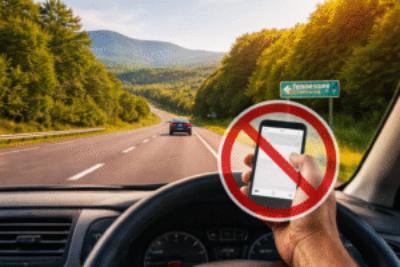
In Tennessee, texting while driving is a significant offense, particularly because of the dangers it poses to road safety. The state’s hands-free law, enacted in 2019, was designed to reduce the number of distractions for drivers. The law prohibits using handheld mobile devices to send or read text messages, emails, or social media updates while driving. The statute also extends to other activities on the phone, such as browsing the internet or watching videos, which could divert a driver’s attention from the road. However, there are certain exceptions where using a phone is allowed, such as when making an emergency call or using hands-free devices.
While it might seem like an easy rule to follow, Tennessee’s law goes beyond just texting and applies to a range of activities that could distract drivers. It also addresses situations where drivers are engaged in any activity on their mobile device that requires them to take their hands off the wheel or take their focus away from driving. For example, dialing a number while driving is also considered illegal, as it requires a driver to momentarily take their eyes off the road. Drivers are encouraged to use voice-activated systems or Bluetooth devices to make calls and interact with their phones while on the road, but even these devices should be used with caution to prevent any possible distractions.


What Counts as Texting and Driving?
To clarify what falls under the umbrella of texting while driving, it’s essential to understand the specific actions that are prohibited. Sending a text message, reading a text, or replying to an email while driving all fall under the illegal activities outlined by Tennessee law. Furthermore, it’s also illegal to check social media apps such as Facebook, Instagram, or Twitter while operating a vehicle. Many drivers mistakenly believe that a quick glance at their phone or a fast text at a stoplight doesn’t count, but in Tennessee, it does.
A critical part of this law is that even if a driver is not physically typing out a message but instead receiving or reading one, they are still breaking the law. This includes any non-verbal activity, such as scrolling through photos, videos, or navigating through apps. While drivers may believe they can multi-task behind the wheel, the truth is that texting while driving is just as dangerous as driving under the influence of alcohol or drugs. The Tennessee law is designed to mitigate these dangers by reducing distractions and keeping drivers focused on the road.
What Doesn’t Count as Texting and Driving?
While the law is clear about prohibiting certain activities, there are a few exceptions that drivers should be aware of. First and foremost, the law allows drivers to use their phones for navigation purposes, as long as they are not interacting with the phone in a way that diverts their attention from driving. For instance, setting a destination in a GPS application like Google Maps or Apple Maps before beginning to drive is permissible. However, drivers should avoid adjusting the navigation system while on the move. If the phone or device is mounted on the dashboard and can be operated hands-free, this falls within the guidelines of the law.

- Jeremy Forgey
- Chris Griffin
Making phone calls is another area that may surprise some drivers. While texting and using apps are prohibited, drivers are allowed to make phone calls, provided they are using a hands-free device. This includes using Bluetooth or voice-activated systems that allow drivers to speak without taking their hands off the wheel. The key is that the phone should not be physically handled, and the driver’s attention should not be diverted for an extended period.
Listening to music, podcasts, or radio stations via a mobile phone is also allowed under the law. However, as with all activities, the primary consideration is that the driver’s attention remains on the road. Adjusting volume or changing songs while driving can still be a distraction, so it’s advisable to set the playlist or volume before starting the journey or use voice control.
Surprising Aspects of Tennessee’s Texting and Driving Law
Despite the clarity of the law, there are a few surprising aspects that even seasoned drivers may not fully understand. One surprising factor is that Tennessee’s law includes provisions for not just texting while driving but for engaging in any behavior that could distract from operating the vehicle. This means that checking your phone for any reason – even if you’re not typing or reading messages – could still land you in legal trouble.
Another surprising aspect is that Tennessee law does not just penalize drivers who are actively texting. It also holds drivers accountable for activities that could lead to distractions, such as holding the phone in their hands while driving. Even if the driver is not using the phone for texting or calling, simply holding the phone can be deemed a violation of the law if it affects the ability to maintain control of the vehicle.
Additionally, many drivers believe that the law only applies to those who are driving at high speeds or on highways. However, the law applies to all roads, including local streets and residential areas. Even while driving at low speeds, engaging with your phone in a distracted manner could be enough to result in a fine or other penalties. This broad application of the law underscores the importance of remaining fully focused on the task of driving, no matter the speed or the road conditions.
Penalties for a DUI Conviction Cost of a DUI LawyerRelated Videos
The Penalties for Violating Texting and Driving Laws
The penalties for violating Tennessee’s texting and driving laws can be more severe than many drivers anticipate. A first offense may result in a fine of up to $50. While this fine is relatively low, subsequent violations can lead to higher penalties and other legal consequences. For example, multiple offenses could result in points added to a driver’s license, which can lead to an increase in insurance premiums.
Beyond fines, drivers who are involved in accidents while texting and driving may face more serious consequences, including liability for damages or injuries. If a driver is found to be texting at the time of an accident, the penalties could include higher fines, civil lawsuits, and even criminal charges in cases involving serious injury or death.
What to Do If You’re Cited for Texting While Driving
If you are cited for texting while driving in Tennessee, it’s crucial to understand your legal options. First, review the citation carefully and consider whether you were indeed violating the law. In some cases, you may have a valid defense, such as the use of a hands-free device or engaging in activities that fall outside the scope of the law.
If you are unsure about the citation or need legal assistance, it’s highly advisable to consult with an experienced attorney. Best and Brock, with expertise in traffic violations and personal injury law, can help you understand your rights and explore the best course of action. An attorney can assist you in fighting the ticket, reducing penalties, or negotiating a settlement.
Best and Brock Is Here to Help
If you’ve been cited for texting while driving or are facing legal consequences related to distracted driving in Tennessee, Best and Brock is here to offer guidance. With years of experience representing drivers in traffic violation cases, we are committed to ensuring that your rights are protected and that you receive the best possible outcome for your case. Our firm offers a free consultation, so don’t hesitate to reach out and discuss how we can assist you.
Whether you’re dealing with a simple fine or more serious charges related to a distracted driving incident, Best and Brock’s team of experienced attorneys is ready to help you navigate the legal process. Contact us today to learn more about how we can assist you in your case.
To learn more about this subject click here: Texting and Driving is a Crime in Tennessee

|
|
|